
About Me

As a science communication specialist and journalist with a diverse background in health, sustainability, politics, and human rights, I work with clients across Europe and beyond to create multimedia content—ranging from articles and reports to videos, graphics and social media campaigns—that translate complex issues into accessible, engaging narratives. With deep knowledge of the EU landscape and a creative, innovative approach, I am passionate about driving positive societal change through impactful storytelling and fresh ideas.

My Latest Work

Heatwaves: how can Europe make its cities healthier and be better prepared? - ESMH

Extreme weather events such as heatwaves are no longer merely an environmental concern; they are recognised as a global public health emergency. According to the WHO, approximately 175,000 deaths annually in the European region are linked to extreme heat.
As these harmful events become more frequent, affecting both our health and our healthcare system, the urgent need to create urban environments that are resilient to such conditions grows.

Europe’s AI Reality: Practice Outpaces Policy and Reviews

Ask hospital leadership in Europe about AI, and the answer usually involves a pilot program, an ethics review, and perhaps a newly formed AI lab. Ask the clinicians who see the patients, and a different picture emerges: Many are already using generative AI every day — quietly, informally, and often ahead of their institution’s ability to govern it. That gap between institutional caution and clinical improvisation is, in many ways, the story of AI in European healthcare today.

The changing attitudes of Generation Z towards substance use and risky behaviours - ESMH

For approximately 30 years, the Italian National Research Council has partnered with the European Union Drugs Agency (EUDA) to survey more than 113,800 students aged 15–16 across Europe to monitor adolescent risk behaviours. The latest findings reveal that, although cannabis, alcohol, and traditional cigarettes use among European teenagers has steadily declined, new behavioural and health risks are emerging.

One-Size-Fits-All Healthcare Is Failing Europe’s Migrants

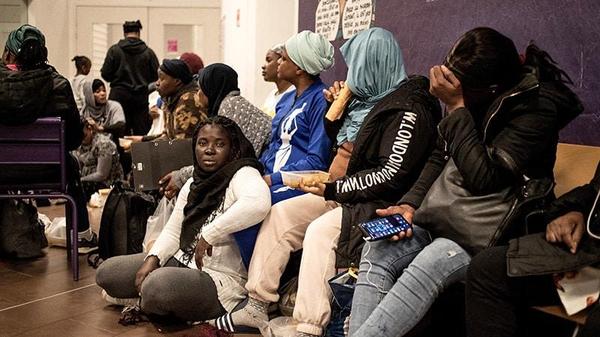
At a busy clinic in Milan or a hospital waiting room in Berlin, a new reality is unfolding in Europe’s healthcare systems. The continent’s population of international migrants — now at 94 million and counting — brings countless stories and a staggering range of languages, beliefs, and expectations about care. Europe hosts the world’s largest international migrant community, according to 2024 data, and that community is changing what it means to deliver healthcare — and who gets it.

Towards a sustainable space economy - ESMH

The space economy is a rapidly developing sector projected to grow at an average annual rate of 9%, reaching over 1.5 trillion euros by 2035. However, to ensure the long-term sustainability of space activities, it is essential to address their environmental impact on Earth and beyond, from atmospheric emissions to the growing accumulation of space junk. So, what actions can we take to safeguard the future of space and ensure its resources are utilised fairly and sustainably?

Can Algae-Based Fuel Make the Aviation Industry Greener? - DirectIndustry e-Magazine

Conventional fuels used in the aviation industry harm the environment. A recent EU regulation pushes for greener alternatives to conventional fuels to meet the neutrality goals set for 2050. However, sustainable aviation fuels (SAFs) are costly, and Europe has limited production capacity for them. The European aviation industry must find a way to adopt these fuels cost-effectively, such as producing microalgae-based aviation fuels to make flying more environmentally friendly.

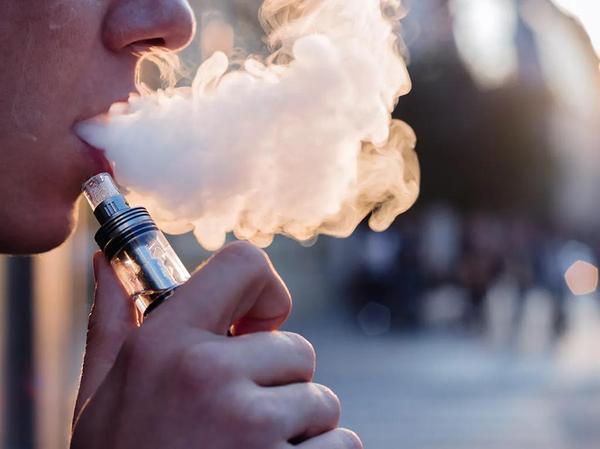
Do e-cigarettes pose a growing threat to the health of young Europeans? - ESMH

E-cigarettes tend to be particularly popular among younger people.

A 2024 report from the World Health Organization Regional Office for 🇪🇺 revealed that over 30% of 15-year-olds have used e-cigarettes at some point in their lives, with 20% reporting having used e-cigarettes in the past 30 days.

But what are the health risks associated with vaping? And how can we prevent young people from picking up the habit?

Watch That Attitude: Is There Ageism in Healthcare?

People are living longer in Europe. Life expectancy increased on the continent by around 12 years between 1960 and 2022. And despite slower progress during the COVID-19 pandemic, the trend appears to be continuing.

Not only are Europeans living longer, their fertility rates are declining. This means that the number of people aged 75-84 years is projected to grow in Europe a full 56.1% by 2050, while the population younger than 55 years is expected to fall by 13.5%.

This means that attitudes towards age need to change, and fast — even among healthcare professionals..

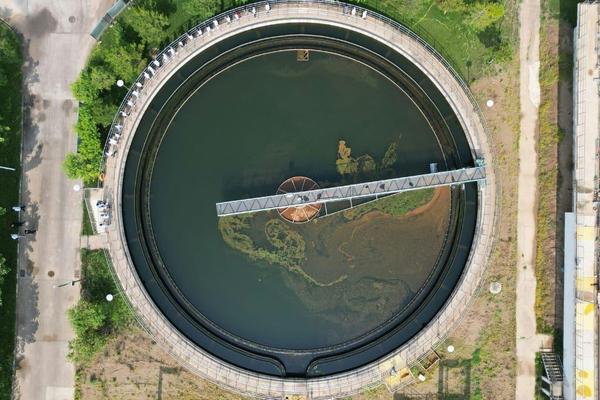
Repurposing Wastewater to Combat Global Water Scarcity

Water scarcity is a significant threat to global health, and it is expected to worsen in the coming years. Repurposing wastewater offers a new, valuable source of clean water, nutrients, and energy. This can be a game changer in addressing the global issue of water stress, yet the potential of wastewater is not yet fully exploited. EU-funded projects have tested innovative solutions to make the reuse of wastewater more feasible and efficient.

Protecting the mental well-being of European youth: What can be done?

In Europe, the number of young people (aged 18-29) with mental health problems has at least doubled since the beginning of COVID-19. Suicide is one of the leading causes of death among adolescents aged 15–19 in our continent. In addition, almost two-thirds of young people are at risk of depression. Mental health issues are now more than ever disproportionately impacting younger generations. So, what can and should be done to address the situation?
Load More

Contact Me